Teaching
My teaching focuses on physics and applied mathematics, particularly dynamics and optimal control. Teaching students is about more than just sharing knowledge. It is about sparking curiosity, inspiring critical thinking, and equipping learners with the tools to thrive beyond the classroom. Below, you will find my main courses, their evaluations, and comments from my students.
Introduction to Dynamics
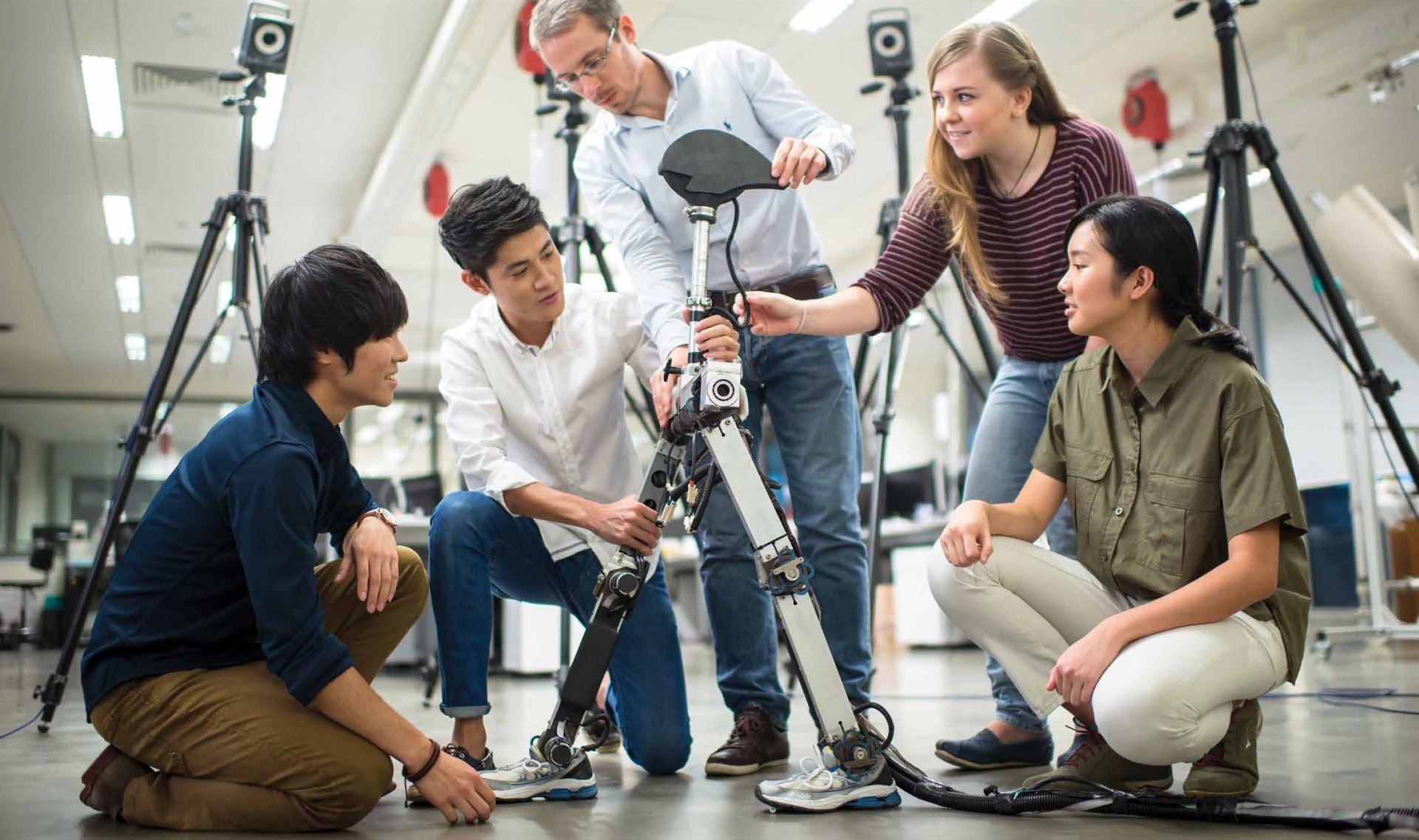
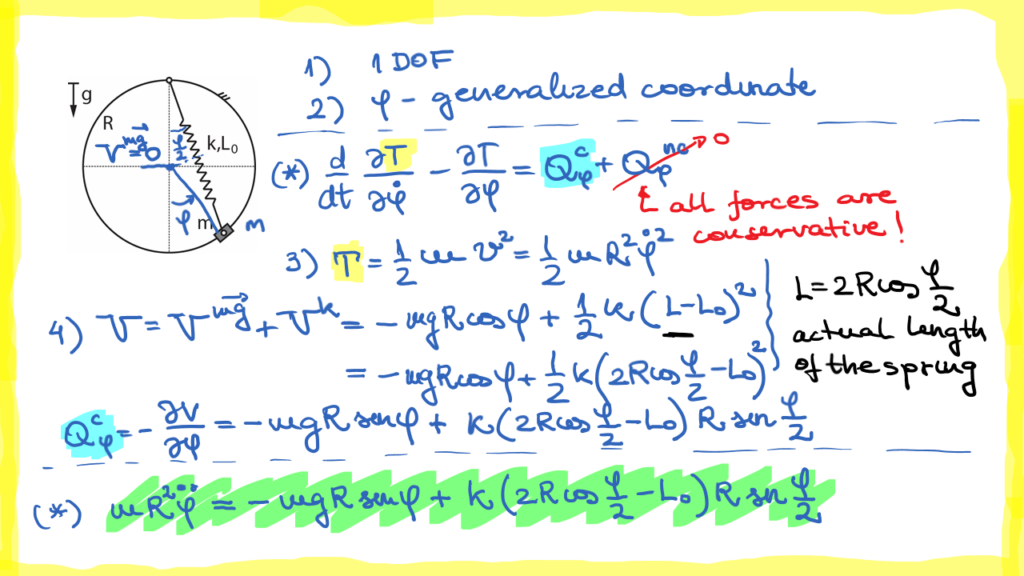
Dynamics is a branch of mechanics that studies the motion of objects under the influence of forces. It is fundamental to engineering, bridging theoretical principles from physics with practical applications to predict the motion of systems such as rockets, cars, and robots. Introduction to Dynamics is the first course on this topic, taken by engineering, mathematics, and science students.
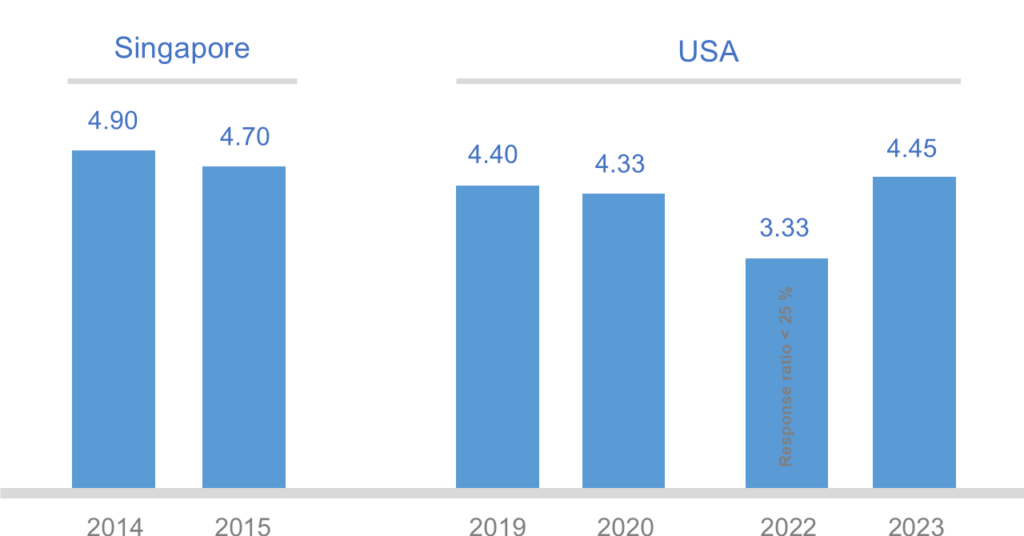
“Your teaching evaluations for Dynamics are remarkably high, both in a relative sense, given that undergraduate dynamics is often rated lower than other courses in Mechanical Engineering, and in an absolute sense, given that typically your scores are higher than either the Mechanical Engineering Department’s averages or the School of Engineering’s averages. The written course evaluations reveal a clear appreciation and admiration for the rigor that you impart to your students.”
— Former Dean, School of Engineering, Vanderbilt University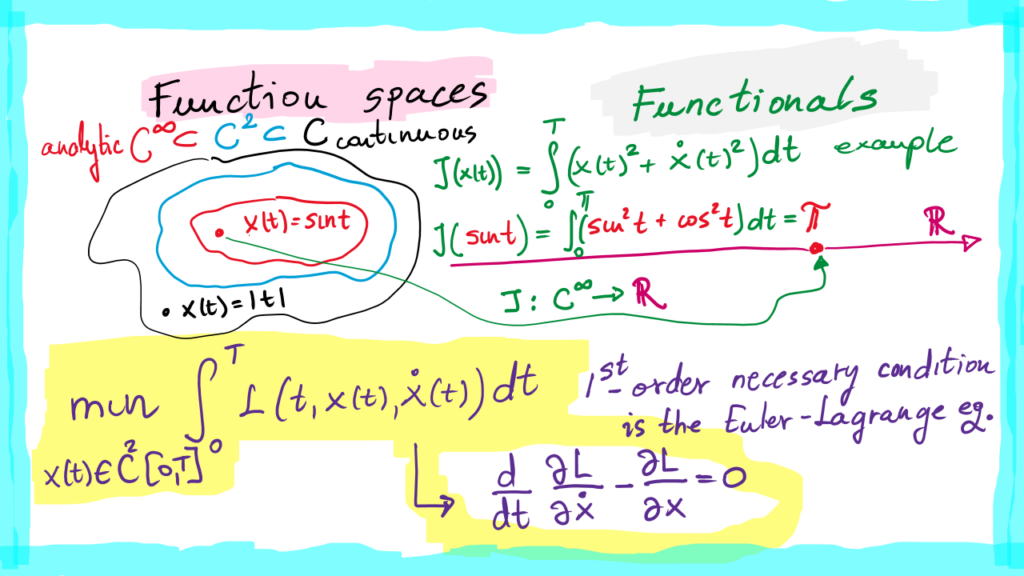
Optimization and Optimal Control
Optimization and optimal control are essential tools for designing systems that minimize cost, time, or resources. These methods provide a systematic approach to decision-making in engineering and science, with applications ranging from fuel-efficient spacecraft trajectories and real-time energy optimization in robotics to the training of machine learning models. The course connected these mathematical principles with real-world applications, bridging theory and practice.
“When a new topic was taught, it was always taught with a good introduction and in the context of what we already knew. So each class felt like just a small extension of the previous one. That is how a course should ideally be taught. The workload was quite a lot, but I think that is required in order to feel confident about subjects like these (otherwise, it remains as knowledge, and not a useful skill). One learns about the finer aspects only by practice. So the solution is definitely not to reduce the workload. Maybe the number of credits for this course could be increased. The professor also spent ample amount of time with the students to guide them with their projects. Overall, a very useful course, taught in an ‘optimal’ way!”
— Student, Optimization and Optimal ControlVoices from the classroom
All commentsDynamicsVanderbilt University
“Don't change anything. You are incredible at explaining this material!”
Optimal ControlVanderbilt University
“Probably the best class I’ve taken at Vanderbilt, graduate and undergraduate classes all included.”
DynamicsSUTD
“Very dedicated, patient and able to explain difficult concepts well and in a easy-to-understand fashion. 10/10 would recommend.”
Optimization and ControlSUTD
“Impeccable board work! Very committed to teaching, and cares about students.”
Systems and ControlSUTD
“Well-planned and well-thought. At first I thought this would be another average course, but the 2D rally and the in depth analysis of PID controls afterwards really sparked my learning. It is these kinds of things that makes education fun.”
Modeling the Systems WorldSUTD
“Best math educator I’ve had in my life.”